 By Dr. Erline Saint-Vil, D.C.
Corrective Exercises for Better Movement and Posture
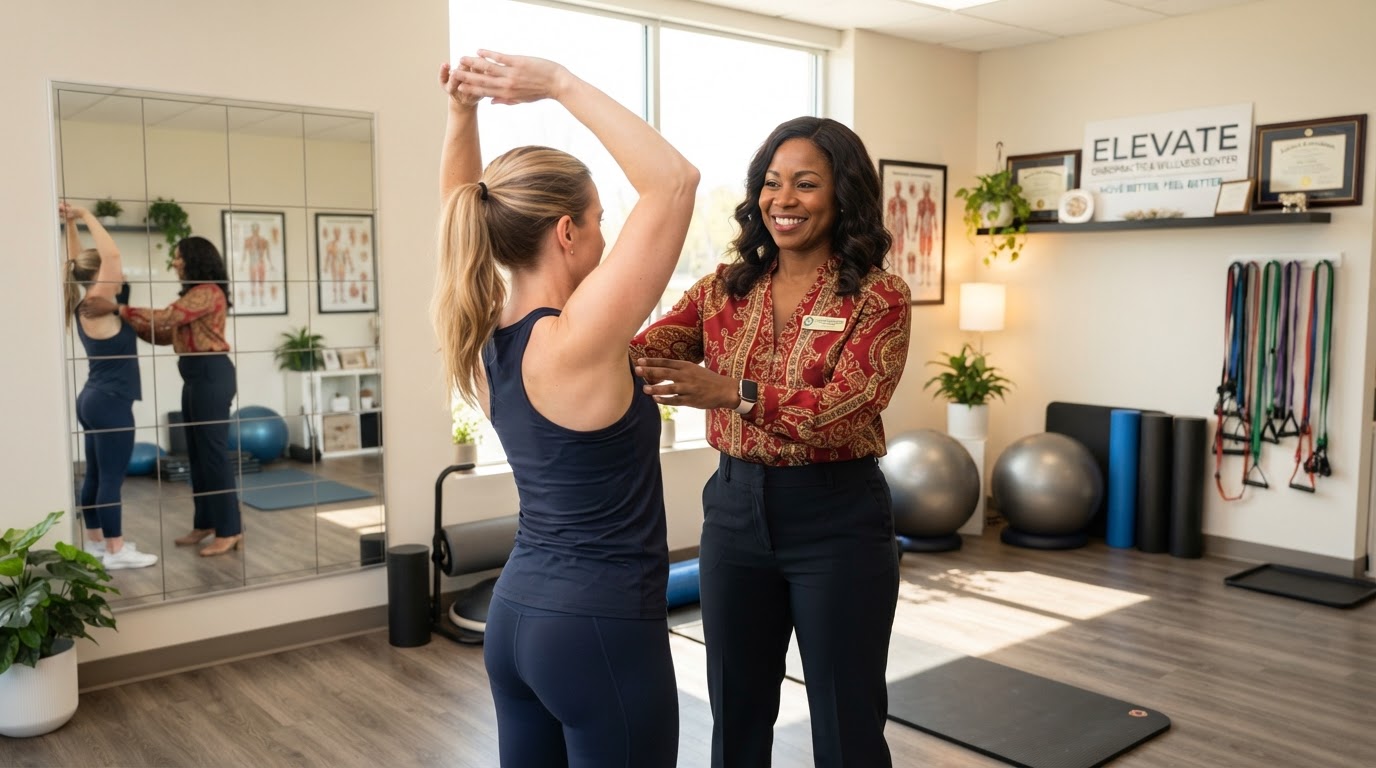
Corrective exercises are targeted movements designed to address specific muscular imbalances, postural deviations, and movement dysfunctions. When combined with chiropractic care, they help create lasting improvements.
Why Corrective Exercises Matter
While chiropractic adjustments address joint mobility and alignment, corrective exercises work on the muscular component. Together they provide more comprehensive care by:
- Strengthening muscles that have become weak from disuse or imbalance
- Stretching tight tissues that restrict normal movement
- Retraining proper movement patterns
- Supporting the changes made through adjustments
- Helping prevent future problems
Types of Corrective Exercises We Prescribe
Core Stabilization
Exercises targeting deep core muscles that support the spine. These include variations of planks, bird-dogs, dead bugs, and other movements that build stability from within.
Postural Correction
Specific exercises designed to counteract common postural issues like forward head posture, rounded shoulders, and anterior pelvic tilt. Often includes scapular retractions, chin tucks, hip flexor stretches, and more.
Mobility Work
Gentle movements and stretches to restore normal joint range of motion where restrictions exist. May include cat-cow stretches, thoracic extensions, hip circles, and similar activities.
Movement Pattern Retraining
Functional exercises that practice proper form for everyday movements like bending, lifting, reaching, and walking. Helps replace dysfunctional patterns with healthier ones.
How Exercises Are Selected for You
Your corrective exercise program is not generic - it is based on:
- Your evaluation findings and identified problem areas
- Your current fitness level and abilities
- Your daily activities and demands
- Your health goals
- Any limitations or precautions
Making Exercises Part of Your Routine
Success with corrective exercises depends on consistency. Tips for sticking with your program:
- Start small - even 10 minutes daily makes a difference
- Link exercises to existing habits (after morning coffee, before bed)
- Track your progress to stay motivated
- Communicate challenges to us so we can adjust
- Remember that consistency beats intensity
Build Better Movement Habits
Ready to learn which exercises would most benefit you? Schedule an evaluation today.